
Dental Bridges Edison
Fill the Gap & Restore Your Smile
Even the loss of one or two teeth can have significant consequences for both your oral health and your smile’s appearance. Our team wants to help! Dr. Shah provides a number of reliable tooth replacement solutions, including lifelike dental bridges. These restorations are strong, durable, and easy to maintain. Continue reading below to learn more, or contact our Edison office directly to request your restorative dentistry consultation.
Why Choose Signature Smiles for Dental Bridges?
- Traditional & Implant Bridges Available
- Dentist with Extensive Dental Implant Training
- Beautiful & Strong Restorations That Last
What Is a Dental Bridge?
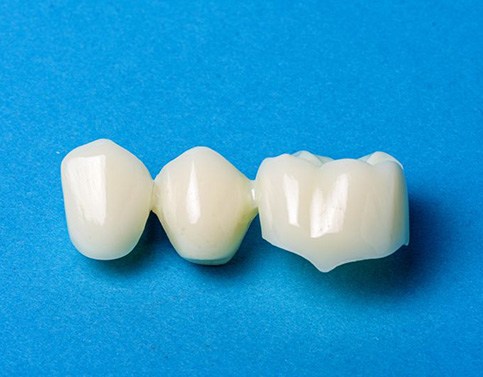
There are a few types of dental bridges, but typically, this type of restoration has a crown on each end. The crowns are attached to one or more pontics (artificial teeth) that span the empty space in a smile. Bridges can replace one or more missing teeth in a row, and they can be made out of various materials, including metal or lifelike metal-free alternatives, such as ceramic and porcelain.
Types of Dental Bridges

When you visit us for your tooth replacement consultation, Dr. Shah will examine your mouth and get to know your goals for treatment. The best type of bridge will depend on the health of your remaining teeth and your jawbone, your budget, the extent of your tooth loss, and your personal preferences. Depending on such factors, our team may determine whether you should get either a traditional bridge or an implant bridge.
Traditional Dental Bridges
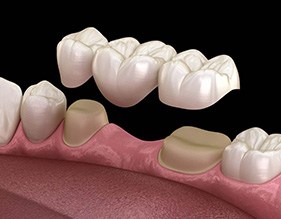
In a traditional dental bridge, the crowns on each end get cemented onto your natural teeth that surround the site of the missing tooth (called the abutment teeth). This requires that the abutment teeth be slightly modified. A traditional bridge takes just a few appointments to place and has the potential to last for a decade or longer.
Implant Bridges
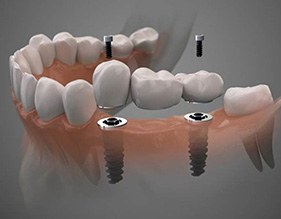
An implant bridge does not rely on the abutment teeth. Instead, this type of prosthetic usually replaces at least three teeth in a row. A dental implant (artificial tooth root) gets surgically placed into the jawbone at each end of the gap, and after the bone fuses with the implants, they support a bridge. Implant bridges are stronger and longer-lasting than traditional forms of tooth replacement.
The Benefits of Getting a Dental Bridge

Thanks to your decision to get a dental bridge, you can look forward to enjoying some noteworthy benefits:
- Prevent dental drift: A bridge prevent other teeth from shifting out of place, which helps you to maintain a healthy bite and reduces the risk of additional tooth loss.
- Minimize wear and tear: A bridge takes some of the pressure of chewing, so it can prevent premature wear and tear on your remaining natural teeth.
- Beautiful appearance: Bridges can be made out of materials that look almost indistinguishable from natural teeth.
- Durability and easy maintenance: Bridges can last for many years, and maintaining them requires only basic best practices. For example, good oral hygiene and regular dental visits are both important.
Are you ready to fill the gap in your smile? We look forward to speaking with you during your consultation!