
Gum Disease Treatment – Edison, NJ
Meticulous Care to Restore Your Healthy Gums
The teeth get a lot of attention in dentistry, but the gum tissue deserves just as much attention for a number of reasons. For one, gum tissue is responsible for keeping your teeth in place. In other words, without a healthy home, they can eventually fall out! Thankfully, those with varying levels of gum disease can turn to our team at Signature Smiles. We care very deeply about helping patients stop the progression of gum disease as soon as possible, so don’t wait to call Dr. Shah to schedule an appointment at our Edison dental office.
Why Choose Signature Smiles for Gum Disease Treatment?
- In-House Periodontist Available On-Site
- Gentle, Caring, and Accommodating Team Members
- Multiple Sedation Options and Comfort Menu Available
What is Gum Disease?
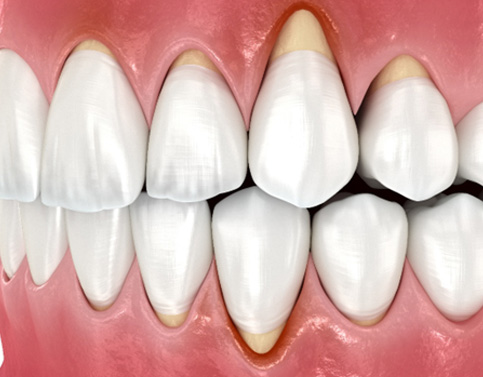
Since roughly 50% of American adults are struggling with gum disease, you’ve likely heard of it. But what is it, exactly? In short, gingivitis occurs when bacteria and plaque have reached underneath the gum tissue. If left alone to progress, the infection can result in several serious problems, including tooth loss. That’s why it’s so important that you schedule an appointment with us every six months and that you keep an eye out for warning signs of gum disease between visits.
Symptoms of Gum Disease
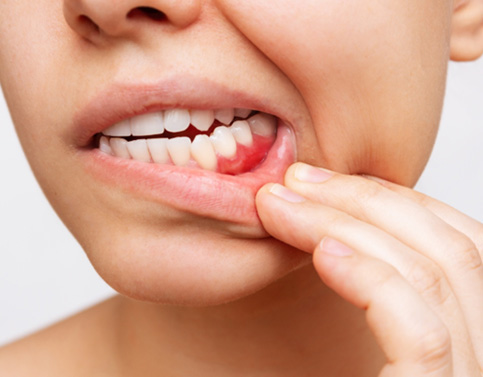
If you notice one or more of the following, schedule an appointment at our office so we can determine if you’d benefit from gum disease treatment in Edison:
- Bleeding when you brush or floss your teeth
- Red, inflamed, or swollen gums
- A pimple-like bump on your gums
- Teeth that appear longer than usual (this is often due to gum recession)
- A change in your bite
How Do We Treat Gum Disease?

As we mentioned above, gum disease occurs when bacteria and plaque have reached underneath the gum tissue. If they cannot be removed via traditional means, like improved at-home oral hygiene or professional cleanings, then we will recommend scaling and root planing.
Scaling & Root Planing
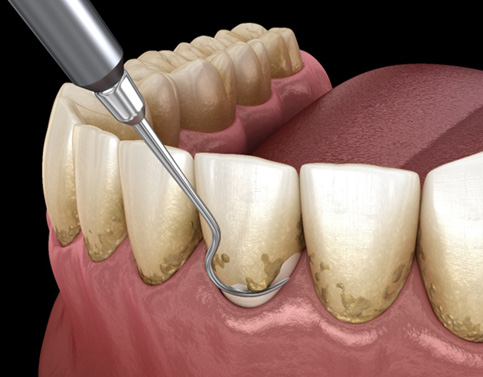
Scaling and root planing is a two-step process that removes hardened deposits of plaque and tartar that have accumulated on the teeth and below the gumline. This can help stop dangerous bacteria from attacking the teeth and gums, restoring the health of your gum tissues and reducing painful sensitivity and inflammation.
Do I Need Scaling & Root Planing?
If you are experiencing red, tender, receding, bleeding gums, chronic bad breath, as well as heavy concentrations of plaque and tartar buildup along the gumline, your dentist may recommend scaling and root planing.
While early stages of gum disease can often be reversed by improving your at-home oral hygiene routine, if the condition has progressed, scaling and root planing may be necessary to prevent it from worsening.
The Process of Scaling & Root Planing
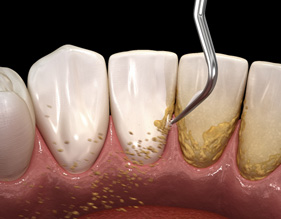
Typically, the scaling and root planing process occurs over the course of two appointments:
- First – your dental team will use a tool called a scaler to remove all the plaque and tartar from the surface of your teeth, reaching all the way down into the pockets of your gums.
- Second- during the planing portion of treatment, your dentist will remove the hardened bacterial deposits on the roots of your teeth that are hidden away beneath your gumline. This will help prevent further infection by keeping the bacteria from re-colonizing in your gum tissue.
Aftercare Tips for Scaling & Root Planing

Because scaling and root planing can be an intensive treatment, it can take a few weeks for your teeth and gums to completely recover. During this time, you may experience increased sensitivity and discomfort as a natural part of your healing process. Here are some general aftercare tips for your recovery:
- Rinse your gums well after eating with warm saltwater. This will help prevent irritation and loosen food debris around your teeth to make brushing and flossing easier. To make the saltwater, mix ¼ teaspoon salt for eight ounces of water.
- Be very gentle when brushing your teeth following treatment and be sure to use a soft-bristled toothbrush. Brush in small, circular motions moving slowly to avoid increasing discomfort throughout your healing process.
- Your teeth and gums can become very sensitive to certain foods and beverages while healing from scaling and root planing. Thus, it is best to avoid anything too hot or spicy, as well as alcohol or acidic drinks, as these can cause inflammation and irritation.
- Do not smoke or chew tobacco.
- Eat a soft diet for at least the first 48 hours after treatment.
- Avoid partaking in any intensive physical activity directly after your procedure.